Outlast and Prosper: Choices That Keep Paying You Back
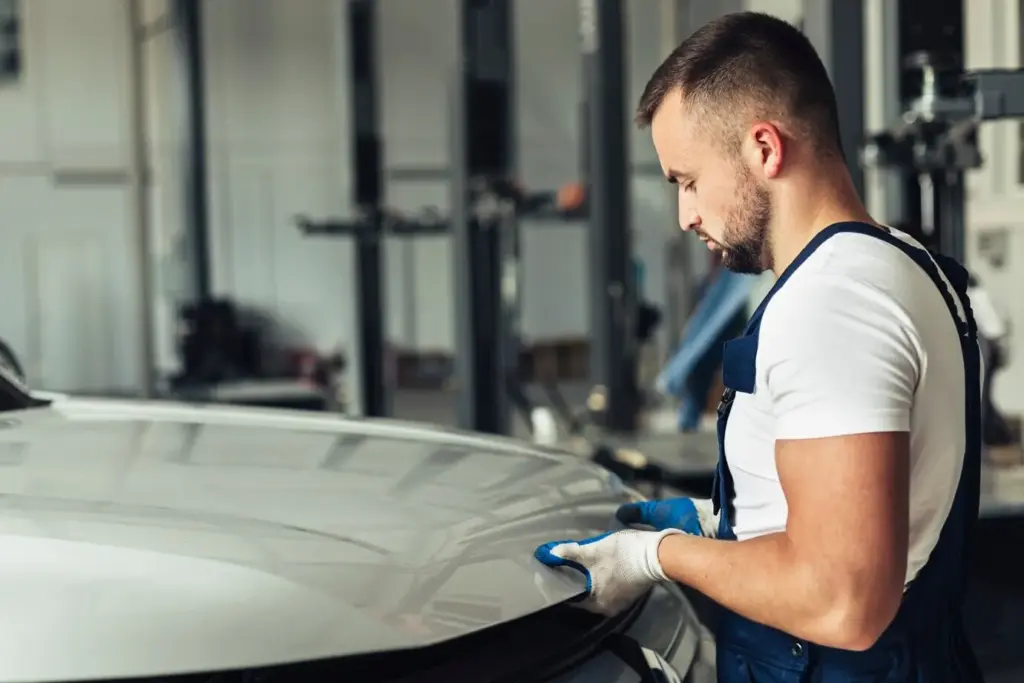
Today we dive into durable finishes that cut maintenance costs and increase ROI, turning procurement choices into long-term advantages. We will compare options, share hands-on stories, and offer checklists so owners, designers, and facility leads can extend service life, minimize downtime, and protect budgets year after year.

The Long Game: When Numbers Reward Patience

Short-term savings can seduce, but lifecycle math tells a more honest story. By focusing on materials that resist abrasion, UV, moisture, and staining, asset managers reduce replacement cycles, stabilize operating budgets, and free staff time for higher-value tasks. The compounding effect of fewer repairs and faster cleanings becomes a tangible return that investors, lenders, and operators can all see on quarterly reports without fancy accounting.

Hard-Wearing Surfaces for Tough Conditions

Back-of-house corridors, loading docks, commercial kitchens, and shops demand resilience. Heavy carts, chemical splashes, and constant cleaning punish materials daily. Choose systems engineered for abrasion resistance, impact tolerance, and chemical stability. Specify compatible primers, cove bases, and terminations, and verify slip resistance. By selecting proven assemblies rather than just components, facilities avoid the recurring headaches that start at edges, seams, drains, and transitions—those small details that become big invoices.

Epoxy and Polyurethane Floors

High-build epoxies create dense, cleanable surfaces that shrug off oil, solvents, and hot water, while polyurethane topcoats add UV stability and flexibility. Specify integral cove for hygiene and easier mopping. Aggregate can dial in slip resistance without feeling like sandpaper. When paired with diligent surface preparation and moisture testing, these systems outperform basic paint by an order of magnitude, lowering scrub times and eliminating the cycle of peel, patch, and repaint.

Powder-Coated and Fluoropolymer Metals

Factory-applied powder coats provide uniform coverage and exceptional adhesion on railings, louvers, and furniture. For exterior metal, fluoropolymer (PVDF) coatings deliver outstanding color retention and chalk resistance in severe sun. Choose appropriate pretreatments and specify tested systems for coastal or industrial atmospheres. The result is hardware that resists corrosion, cleans easily with mild detergents, and keeps looking intentional instead of weather-beaten, extending service life while protecting the brand’s visual language.

Compact Laminates and Solid Surfaces

High-pressure compact laminates and cast solid surfaces thrive where edges chip and joints fail. They withstand frequent disinfection, resist swelling from incidental moisture, and offer through-color durability that hides wear. Fabricate with radiused corners and mechanical fasteners designed for field maintenance. In restrooms, labs, and transit hubs, these materials keep countertops, partitions, and wall cladding looking composed, allowing crews to clean quickly, not constantly repair, replace, or re-veneer compromised areas.

Anodized Aluminum and Fluoropolymer Coatings

Anodizing creates a hard, integral oxide layer that resists abrasion and offers timeless metallic depth. Where vibrant colors are needed, fluoropolymer coatings provide superior UV stability and gloss retention. Choose finishes with proven salt-spray and accelerated weathering performance. Proper cleaning protocols avoid harsh chemicals and preserve sheen. These strategies ensure storefronts, curtain walls, and canopies hold their crisp lines and finish quality through seasons, not just grand openings and photo shoots.

Fiber Cement, Porcelain, and Sintered Panels

Rainscreen systems using fiber cement or large-format porcelain deliver dimensional stability, graffiti resistance, and easy cleaning. Sintered stone panels offer extremely low porosity, shrugging off stains and UV alike. Careful subframing, back-ventilation, and properly gapped joints allow moisture to drain and assemblies to breathe. The result is a facade that looks deliberate despite driving rain, city grime, or coastal air, avoiding repeated repainting campaigns and the surprises that scaffolding bills often bring.

High-Traffic Interiors Without the High Upkeep
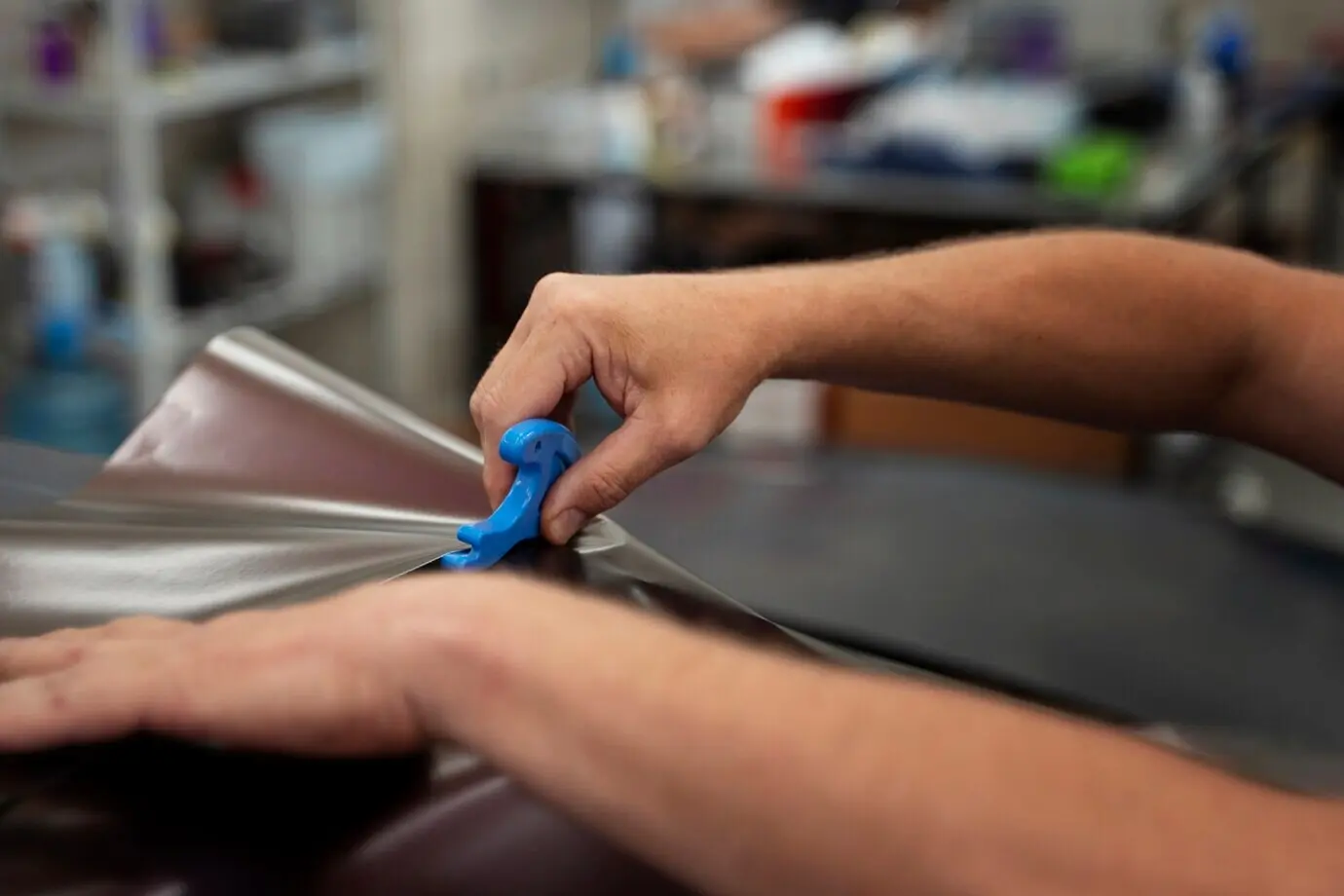
Entryways, corridors, elevators, and restrooms earn their reputations the hard way. Durable interior finishes fight scuffs, stains, and aggressive cleanings without losing their composure. Look for easy-to-sanitize surfaces, rounded edges, and high-impact corners. With the right selections, staff spend less time battling marks and damage, while occupants experience consistently clean, well-kept spaces. That calm reliability turns into fewer complaints, longer refresh intervals, and operational breathing room during peak seasons.

From Spec to Site: Executing With Confidence

Durability is a decision and a process. Success depends on mock-ups, substrate prep, compatible products, and clear responsibilities. Document cleaning protocols before turnover, and train the people who will actually maintain the spaces. Use warranties as behavior guides, not talismans. When design intent, installer craftsmanship, and facility routines align, finishes perform as advertised, budgets stabilize, and the organization enjoys peace of mind instead of surprise weekend call-outs.

Mock-Ups, Lab Data, and Field Tests

Combine data sheets with reality checks. Build mock-ups in messy conditions, test cleaners you truly use, and measure slip resistance on-site. Ask manufacturers for third-party results on abrasion, UV exposure, and chemical resistance. Photograph outcomes and link them to specifications. This evidence-driven approach earns buy-in from procurement and facilities, reducing finger-pointing later and ensuring the chosen systems meet your exact traffic patterns, climate challenges, and brand expectations without guesswork.

Cleaning Protocols and Training

A great finish fails under bad care. Define approved products, dwell times, pad types, and frequency. Create laminated one-page guides and QR codes near storage closets for quick reference. Train new hires with short videos and short quizzes. Standardized routines preserve warranties, speed turnover between shifts, and prevent damage from overly aggressive tools. Meanwhile, staff feel supported, not blamed, and managers see consistent results across buildings, not a patchwork of improvisations.

Proof in Practice: Stories That Paid For Themselves

{{SECTION_SUBTITLE}}
Hotel Lobby That Stopped Replacing Rugs
A coastal hotel swapped high-maintenance entry mats for textured porcelain slabs with recessed walk-off grates and epoxy grout. Salt, sand, and sunscreen no longer stained fibers or jammed vacuums. Housekeeping cut spot-cleaning time dramatically, and front-of-house regained a polished first impression. With fewer emergency replacements, management redirected funds to guest amenities, reporting higher satisfaction scores and reduced downtime previously spent steam cleaning during peak check-in windows.

School Corridor That Finally Stayed Scuff-Free

A district piloted impact-resistant wall panels and stainless corner guards in a middle school’s busiest hallway. After one year, repaint requests dropped sharply, custodians reported faster nightly turnover, and students noticed the space felt brighter and cared for. The board scaled the solution districtwide, bundling procurement to secure better pricing. What began as a maintenance fix became a morale lift that made classrooms quieter and hallways noticeably calmer during passing periods.
Traxinavelopuro
Privacy Overview

This website uses cookies so that we can provide you with the best user experience possible. Cookie information is stored in your browser and performs functions such as recognising you when you return to our website and helping our team to understand which sections of the website you find most interesting and useful.